
Scoped · Bid · Supervised · Closed Out
Turns between tenants, capital projects, build-out and improvements, and acquisition renovations across Central Florida, scoped in writing, competitively bid, supervised, photographed, and closed out with documentation you could hand to a lender. Planned in your report before it ever hits your statement.
Almost everyone has the story: the job that doubled in price, the vendor who vanished mid-project, the invoice that arrived with no scope behind it. Renovation work has a trust problem, and the cure isn't finding a magically honest contractor. It's process. A written scope everyone prices against. Bids you can compare. Supervision that shows up. Photos instead of promises.
For our management clients, the process starts even earlier: capital items appear in the monthly report as recommendations (this year's money or year three's), so nothing is ever a surprise. For a turn, the machine runs on a clock, because every day between tenants is rent you don't collect. Either way, the close-out package reads like it came from an institution, because that's the standard we hold.
The full task list, because "full-service" means nothing until it's itemized.
Renovation money goes wrong in the dark: vague scopes, verbal changes, invoices that don't match anything. Our projects run in the light: a written scope, a fixed bid, changes approved in writing, and a close-out that reconciles to the penny.
For managed properties, capital planning lives inside the monthly report. The roof flagged in January is budgeted by March and done in June, on your calendar instead of a leak's. Standalone project clients get the same paperwork discipline, project by project.
Delivered wherever you actually read things:
Anyone can collect three bids and pick the lowest number. The craft is in the scope (a job specified tightly enough that the bids mean something) and in knowing which vendor's low number is efficiency and which is a change order waiting to happen. That knowledge comes from volume: a firm running work across 400,000+ square feet learns exactly what things should cost, and vendors know we know.
The other discipline is restraint. The Central Florida rental market pays for some improvements and shrugs at others, and we'll tell you which is which before you spend. The best line in some of our project proposals is the recommendation to do less.
One Ocala triplex, bought with all three tenants paying below market. We took the units back, renovated, and re-let all three. This is what the work alone was worth.
At purchase the building collected $3,100 a month across three tenancies, every one of them below market. Today it collects $3,770, up 21.6%, with all three units occupied.
That $8,040 a year of additional rent, capitalized at 8%, is worth $100,500 against $60,000 spent. Every renovation dollar put about $1.68 onto the value of the building, and the rent pays the money back in seven and a half years.
The rent was below market because nobody had taken the units back. That is a management decision, not a construction one, and it is the case most owners won't make for themselves: the cost shows up this month, and the value doesn't.
| Unit | At purchase | Today | Lift |
|---|---|---|---|
| Unit A | $1,100 | $1,475 | +34.1% |
| Unit B | $1,000 | $1,100 | +10.0% |
| Unit C | $1,000 | $1,195 | +19.5% |
| Monthly total | $3,100 | $3,770 | +21.6% |
Value is stated at an 8% cap rate, the range Ocala triplexes have been trading in. The rent lift is gross: no expense record exists from the prior ownership. One property's results, not a forecast for yours. Owner and address withheld.
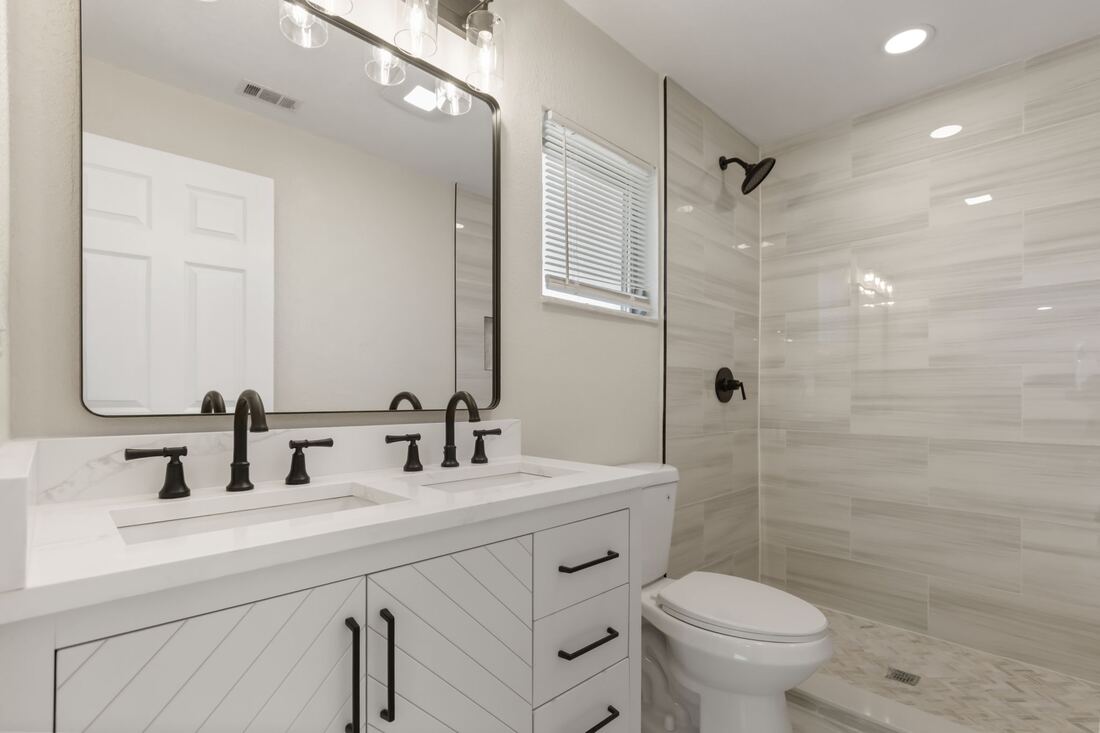
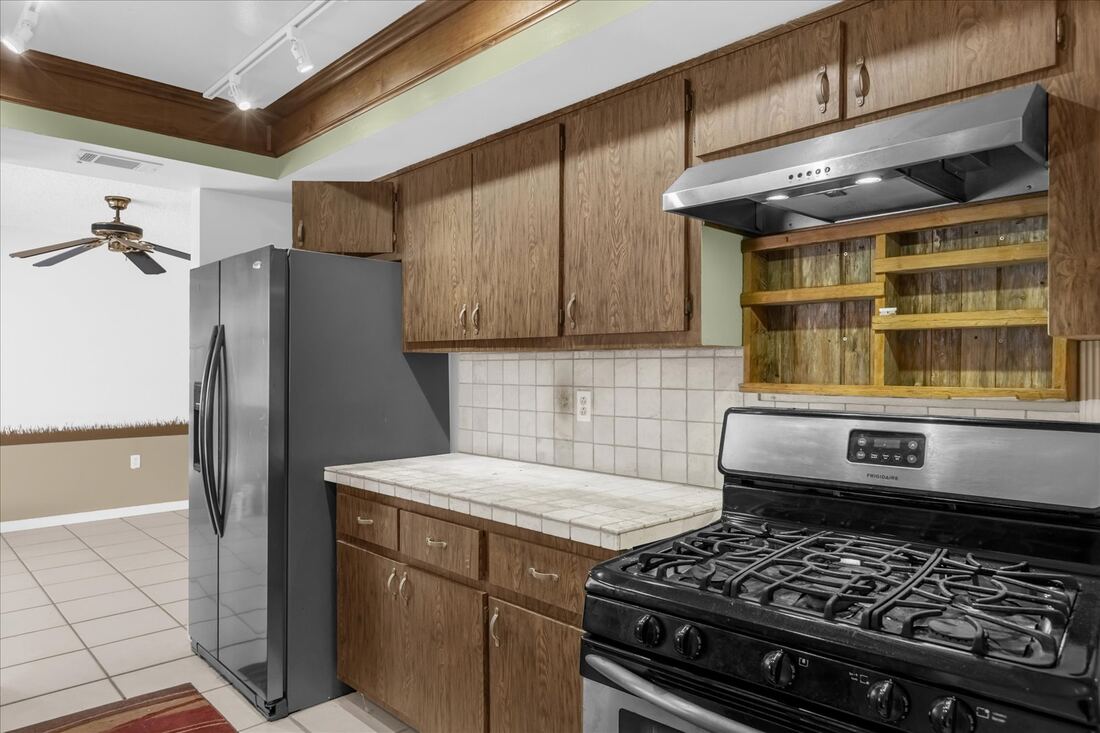
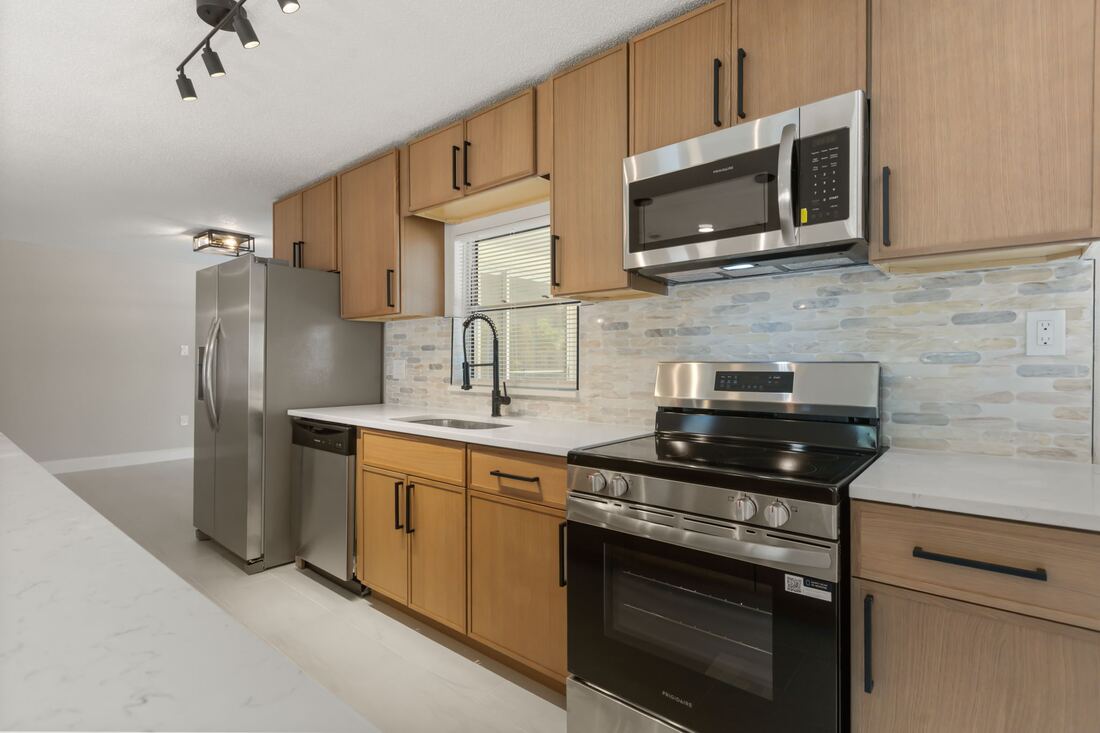
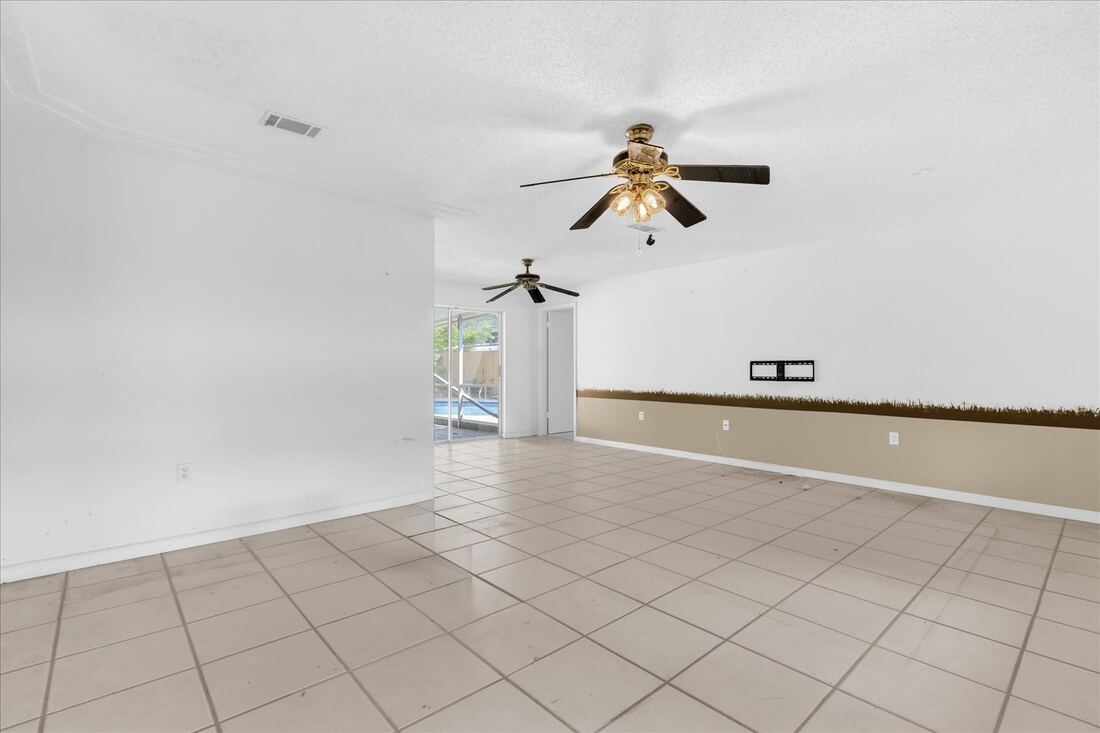
A single-family renovation, photographed room by room the way every close-out package is.
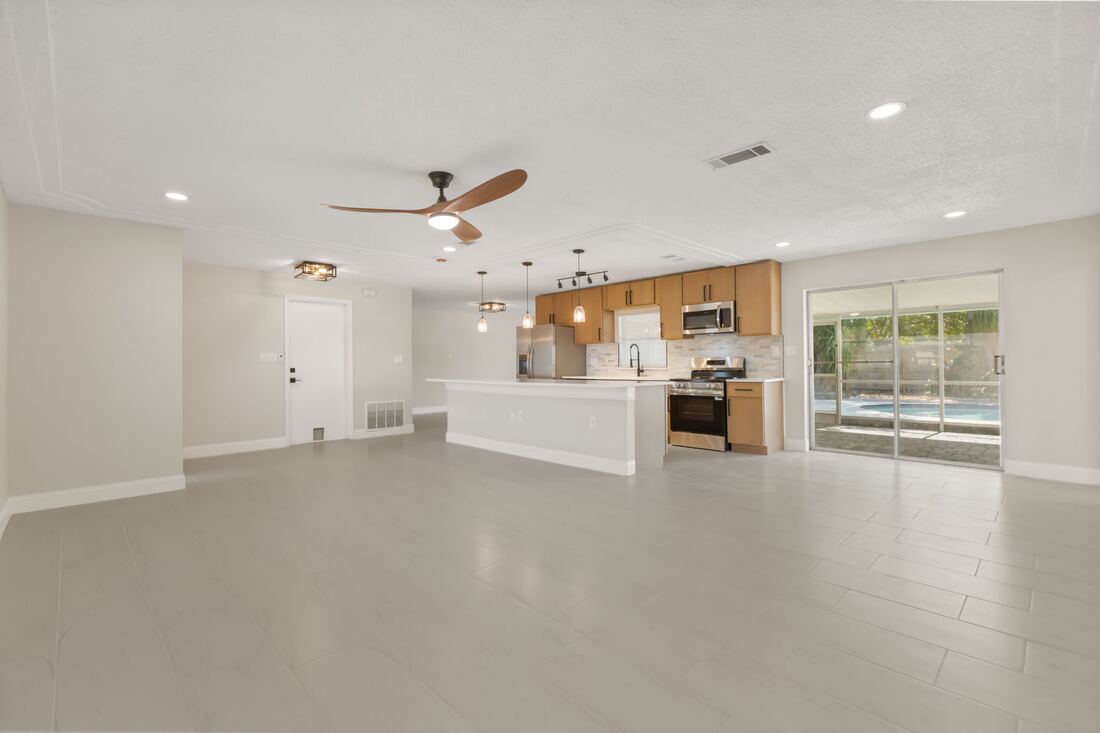
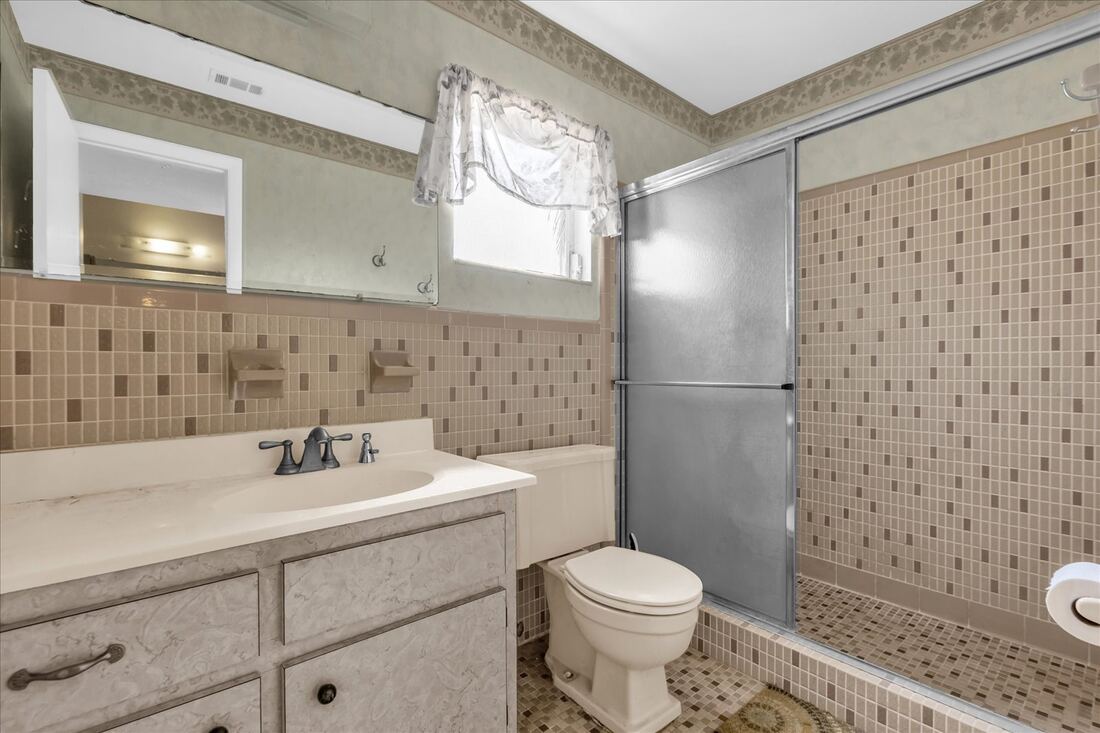
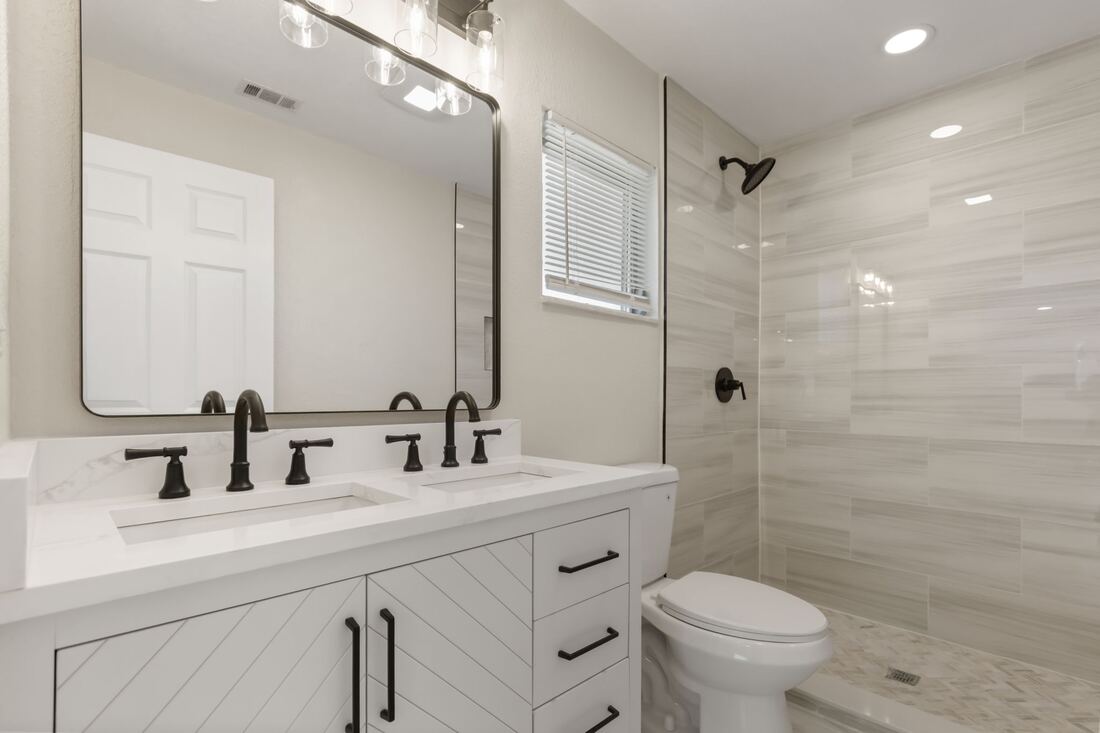
Ask these of every manager you're considering, including us.
Turns and make-readies between tenants, capital projects like roofs, HVAC, flooring, and paint, TI packages, whole-home remodels and refreshes, and acquisition renovations that get a newly purchased asset to rentable. If it makes a property lease better or last longer, it's in scope. That covers capital expense and capital improvement both: the work that keeps an asset running, and the work that adds to what it leases and sells for.
Management clients come first on the calendar, and for them the work is planned inside the monthly report before it ever hits a statement. We take standalone projects when capacity allows, and a fair number of those owners become management clients once they've seen the paperwork.
Written scope first, so every vendor prices the same job. Competitive bids from licensed, insured vendors in our network, presented with our recommendation, which is not always the cheapest number, and we'll tell you why when it isn't.
A written scope, a fixed bid, and supervision, plus the discipline of saying no to mid-project scope creep unless you've approved it in writing. Overruns are almost always born in vague scopes; ours aren't vague.
Scope, bids, contracts, permits where required, progress photos, and a close-out package with final invoices and warranties, organized in your portal. Documentation you could hand to a lender, an insurer, or a buyer.
That's half the value. Some upgrades return rent; many don't. We'll tell you which improvements the Central Florida rental market actually pays for, and which fifty thousand dollars you should keep.
Tell us about the property and the work you're considering. We'll walk it, write the scope, gather the bids, and tell you honestly what's worth doing, and what isn't.